The latest news, tips and other helpful information from the Snohomish Co-op team so you can make the most of your farming.
The Snohomish and Monroe Co-Op offer multiple solutions to problem areas that are prone to mud build up. Paving can be expensive, and planting grass or cover crops doesn’t always help in high-traffic areas. Explore options using semi-permeable ground reinforcement systems like LightHoof or Eco GreenGrid.
September is a great month to get those fencing projects finished. If you’ve been meaning to upgrade to an electric fence, the Snohomish and Monroe Co-Op have everything you need to make your plans a reality.
Chickens area fun and rewarding way to provide your family with delicious, fresh eggs. Chickens are natural foragers. Their instincts to scratch and peck outdoors, eating insects and weeds, will help with your feed budget. In a large enough grazing area, the grass will love the aeration and fertilization that chickens provide. They’ll even eat weed seeds, and other insects that might damage your lawn. A healthy diet of leafy greens helps your chickens produce eggs with gorgeous dark yellow and even orange colored yolks. However, if they don’t have very much pasture space to forage, they’ll quickly turn their chicken run into a dust bowl. And, before long, you’re heading over to the Snohomish and Monroe Co-Op for advice about dirt and mud control in the chicken run.
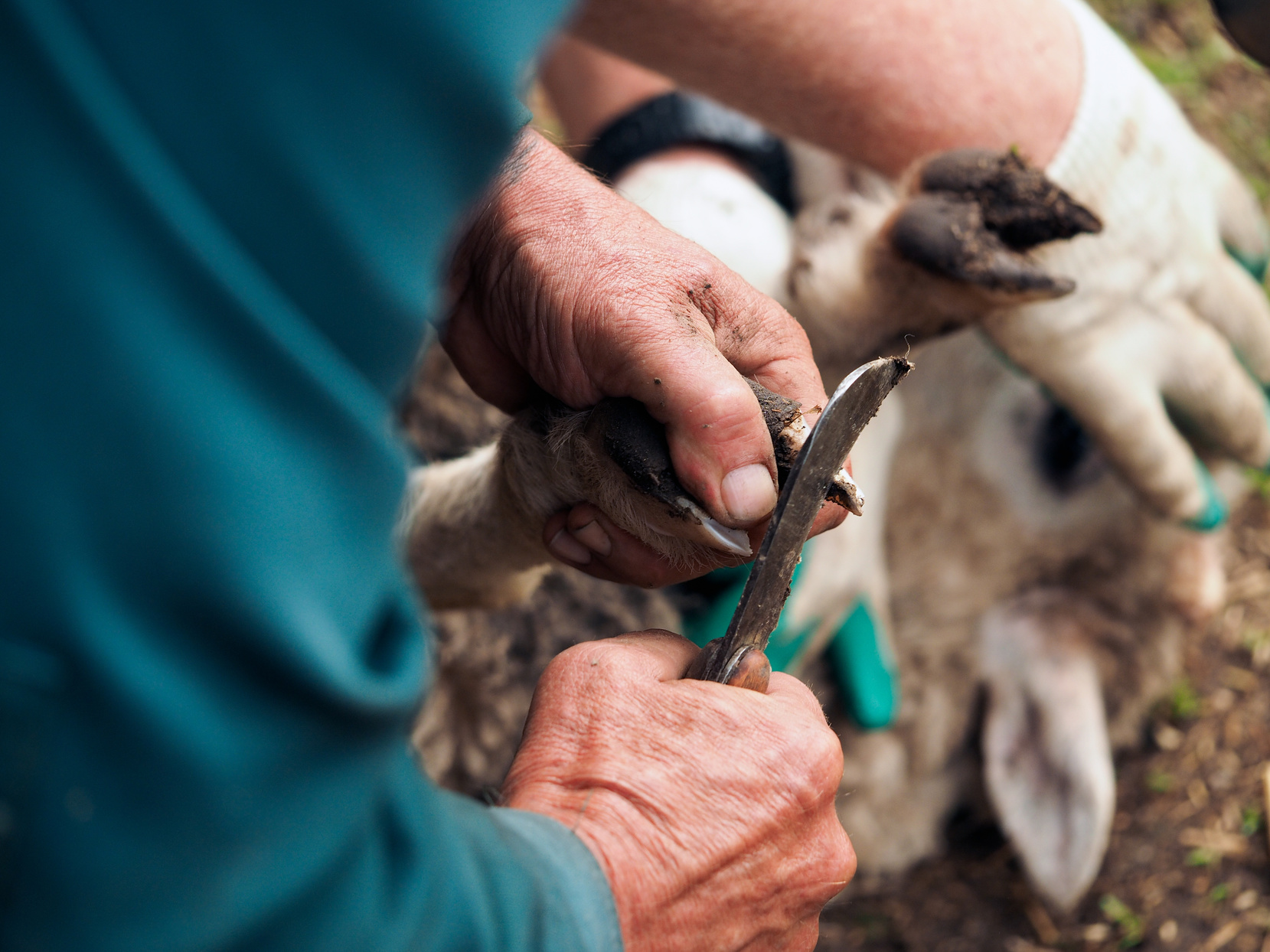
Keeping goats requires a bit of care when it comes to their hooves. Here at the Snohomish and Monroe Co-Op we have all of the tools and products necessary to support healthy, trimmed hooves.
One of our favorite lines of organic feeds here at the Snohomish and Monroe Co-Op is made by Scratch and Peck, milled locally in Burlington, Washington. Wanting to lead the sustainable food movement by example, all of Scratch and Peck feeds are non-GMO Project Verified, and Certified Organic. Find a variety of organic feeds from Scratch and Peck available at the Snohomish and Monroe Co-Op like chick starter and grower, Broiler Grower for meat birds, Turkey Grower, and even organic Goat Feed.
A frequent question we get here at the Snohomish and Monroe Co-Op is “When is it time to switch growing chickens over to a Layer Feed Ration.?” The answer is simple: “When your chickens start laying eggs.” The main difference between a Grower Feed and a Layer Feed is the protein content and the calcium content. Grower feeds have more protein to support growing birds. Layer feeds have less protein, and include a calcium supplement to support strong eggshells. If your flock has mixed ages, always feed to the youngest member of the flock. You can always provide a calcium supplement, like oyster shell, on the side for your laying hens.